




‘Brain scars’: The hidden forms of sexism that harm women’s health

Subtle sexism that pervades everyday life often gets shrugged off. But research shows it can still have lasting psychological effects – including “thinning” parts of the brain.
If you’ve ever been catcalled late at night, you may be familiar with the stress response it can spark. Your defensive guard can go up and leave you feeling physically shaken and vulnerable.
All my female friends have had such experiences, and all of us have at one point or another walked home in the dark holding our keys in our hands. I even joined a karate club at university, in case the worst should happen, and through repeated drills learnt how to efficiently throw an opponent to the ground and hit the right pressure point to cause pain.
When unwanted sexual attention isn’t immediately threatening, however, it is often shrugged off and ignored. But that doesn’t mean it doesn’t have a lasting psychological effect. Research now shows even everyday acts of sexism can have repercussions that stretch throughout people’s bodies and lives.
It’s really about the ways that power, status and resources are imbalanced between men and women – Patricia Homan
The women’s rights movement has had plenty of successes over the past century. In many countries, equal pay is now a legal requirement and sex discrimination is illegal. In the UK we’ve had three female prime ministers, and women leaders are becoming more common more broadly.
There remains concern, however, that gender equality is at a standstill in the UK and elsewhere, or even going backwards. Gender pay gap statistics remain stubborn and violence against women and girls continues to increase.
Globally the figures are alarming – almost one in three are said to have been subjected to physical or sexual violence, or both. Then there are the subtle forms of sexism that can pervade daily life, such as being patronised or belittled. Or the benevolent sexism of seemingly positive gendered compliments, which allude to the idea that women are naturally more kind or emotional, and men more rational or dominant. These assumptions are rooted in gender stereotypes that can harm women’s empowerment and “reinforce women’s subordinate status”.
Meanwhile, in the US, information on women’s health has been recently deleted and altered from a government website, according to a report published in The Lancet, by sociologist Patricia Homan from Florida State University and colleagues. “The information that was added reinforces biological sex essentialism, framing women’s bodies as weak and in need of protection and framing trans people as a threat,” the report’s summary noted.
The content removed from the website related to maternal and reproductive health care. This included a link to the now-defunct site “reproductiverights.gov”, which provided information on accessing medications, contraception, emergency care and abortion services.
We requested a comment from the US Department of Health and Human services but did not receive a reply by the time of publication.

Getty Images There have been many breakthroughs in women’s rights, but there are also concerns that gender equality has stagnated in the UK (Credit: Getty Images)Getty Images
There have been many breakthroughs in women’s rights, but there are also concerns that gender equality has stagnated in the UK (Credit: Getty Images)
Put together, these are all examples of what’s referred to as “structural sexism”, which Homan defines as systematic gender inequality in power and resources, embedded within our social institutions. “It’s really about the ways that power, status and resources are imbalanced between men and women,” she explains.
A ‘scar’ on the brain
The effects on women’s health, unsurprisingly, can be consequential and not always immediately visible. A large study analysing over 7,800 brain scans across 29 countries found that societal gender imbalances physically change women’s brains. The research showed that women living in countries with higher gender inequality had thinner cortical thickness in brain regions associated with emotional control, resilience and stress-related disorders such as depression and post-traumatic stress disorder.
Nicolas Crossley, a psychiatrist at the Pontifical Catholic University of Chile, told me last year when researching my book Breadwinners, that it’s as if the inequality women experience “leaves a scar on their brains”. The reason the brain can change as a result of the stress of inequality is due to a process called plasticity – which is how the brain adapts depending on what we experience or learn. So if a skill like juggling shows observable changes in the brain, Crossley explained, it follows that a profound, lifelong experience of navigating a society that devalues you would have a lasting effect, since chronic stress inhibits the brain’s natural ability to adapt.
Crucially, these brain differences were found to be diminished in more gender equal countries and were not observed to the same degree in men, though men also experienced more brain changes in the most unequal countries. “So if you improve gender equality, you would improve women’s health and that would cost less to everyone,” says Crossley.
The mental health impacts of gender discrimination have been observed in other research too. One UK study found that women who experienced sex discrimination had worse mental health four years later. In the study of almost 3,000 women, one in five reported experiencing sexism, ranging from feeling unsafe in public spaces, to being insulted or being physically attacked. These women were three times more likely to report psychological distress and lower life satisfaction.
“Repeated exposure to stressful experiences over time can lead to wear and tear on the body and then those deleterious biological changes can then link to poor mental wellbeing,” says Ruth Hackett, a health psychologist at Kings College London, lead author of the study, echoing Crossley’s observations. “This is just wearing people down.”
A few years later, Hackett led follow up research to find similar results in women aged over 52. Those who reported gender-based discrimination, such as harassment or being treated with less respect, showed a decline in their mental health six years later, as well as greater loneliness and lower life satisfaction and quality of life. Taken together, these results show that gender discrimination has lasting damage.
In contrast, separate studies have shown that women who live in societies with greater gender equality have lower rates of depression, as do women in more equal relationships.
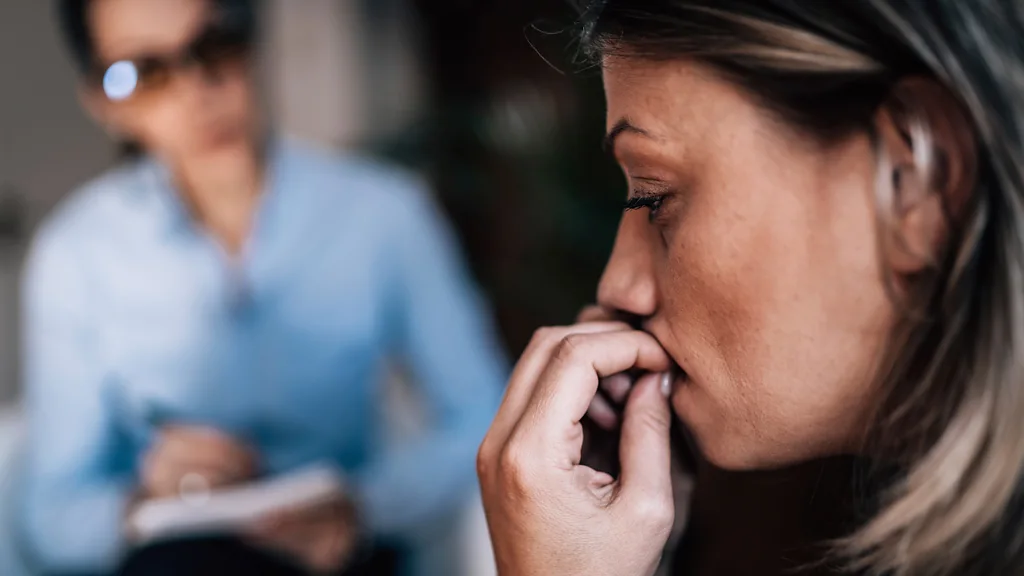
Getty Images Women who experienced sex discrimination had poorer mental health outcomes four years later (Credit: Getty Images)Getty Images
Women who experienced sex discrimination had poorer mental health outcomes four years later (Credit: Getty Images)
Beyond the mental health impacts, there is also a larger issue of unequal medical treatment when it comes to women’s health.
It’s been well-documented in the scientific literature that women’s physical health concerns are taken less seriously in medical settings. One study found that women in emergency departments are less likely to be given opioid painkillers than men. They are also less likely to be prescribed other painkillers, even if their pain symptoms are the same, a 2024 study found. The study’s authors state: “Our work reveals a systematic sex-related disparity in pain management: a female patient discharged from the emergency department is significantly less likely to receive treatment for a pain complaint, compared to a male patient.”
Structural sexism’s circle of harm
There are many overlapping additional reasons why structural sexism is so harmful. Patricia Homan explains that it restricts women’s access to essential resources that promote wellbeing, such as fair pay and autonomy. It can also increase their exposure to harmful experiences like domestic violence, unsafe working environments and chronic stress.
Plus, there are disadvantages for men too. On the face of it, they may benefit from higher overall pay and domestically, doing less labour, but as Homan explains, structural sexism can foster unhelpful masculinity norms that encourage risk-taking, violence, substance abuse and avoidance of seeking health care.
In personal relationships, conforming to traditional masculine norms has negative consequences for men too. A large meta-analysis involving over 19,000 participants found that men who embrace traits such as dominance over women, a pursuit of status and sexual promiscuity, are more likely to experience mental health problems. As the study’s authors put it, “sexism is not merely a social injustice, but also has deleterious mental health-related consequences for those who embrace such attitudes”.
In other words, when men internalise rigid gender norms, it can affect their health in lasting ways. The very system that grants them privilege, can lead to men feeling as though they have to confirm to an unrealistic version of masculinity, and if that vision is not met, it can contribute to worse mental health.
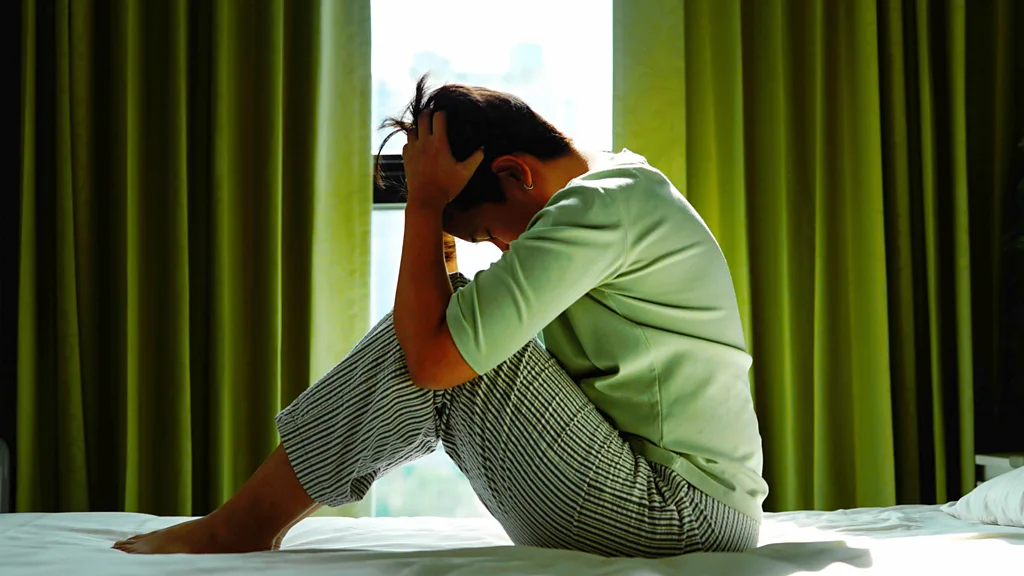
Getty Images Sexism has been shown to have harmful outcomes for both women and men (Credit: Getty Images)Getty Images
Sexism has been shown to have harmful outcomes for both women and men (Credit: Getty Images)
Additionally, when men are disempowered, it can in turn negatively affect women. The desire for power and status, which is often expected of men, has been shown to directly lead to more sexual harassment. A series of experiments found that men with a history of feeling powerless, were more likely to engage in sexually harassing behaviours when given temporary power over others.
How to encourage change
When it comes to solutions, there are both personal and societal changes we can all make.
Guardians of young people can talk to the next generation early on about appropriate behaviour and be wary of gender stereotypes and sexist assumptions – especially given that stereotypes may start to be imposed as young as three months. Parents can also be more intentional about challenging sexist assumptions in the home. Not least since, when men show hostility towards women, which has been dubbed “hostile masculinity”, it has been linked to increased incidences of violence against women.
On a societal level, policy measures can help address these imbalances, such as providing paid family leave for all workers, men and women alike. This has been successfully implemented in several Nordic countries, where a paid “use it or lose it” approach has increased the number of men taking parental leave. This in turn normalises and values caregiving and with more support at home, helps keep women more closely tied to the workforce, limiting the economic damage. When men take on more care at home, the very idea of what masculinity is can change and evolve over time, to one that includes caring and better supports women, even developing a different sense of what it can mean to be a man, which has been dubbed “caring masculinities”.
When women are empowered, it benefits all of society, explains Homan, as women in power tend to invest more heavily in health care, public health, education, welfare and social safety programmes that can improve the health of the wider population. “Conversely, greater structural sexism leads to reduced public investment in these areas, harming everyone, including men.”
And finally, openly talking about the consequences of sexism can help raise awareness of the harms involved. There is even evidence that speaking out about unwanted discrimination is beneficial for mental health, as it can lead to more support. At the same time, however, we need to acknowledge the structural pervasiveness of the issue and that individual action is not enough.
For now, the evidence still paints a sobering picture of how far there is to go in order for women to live in a world where they feel not only safe, but where their health outcomes are not affected by entrenched structural sexism. Change is possible though, if more of us speak out about what’s at stake.
* Melissa Hogenboom is a BBC health and science journalist and author of the Breadwinners (2025) and The Motherhood Complex.